The short answer
- A heated towel rail warms and dries towels, reducing damp and musty smells, which is especially useful in humid climates.
- Electric models suit most homes; hydronic models connect to a central heating system where one exists.
- Use a qualified electrician, choose a model rated for bathroom use, and add a timer to keep running costs low.
In this article
A heated towel rail is a small upgrade that changes how a bathroom feels every day. It dries towels quickly, keeps them warm and fresh, and helps reduce the damp, musty smell that builds up in humid rooms. Search interest in towel warmers has been rising as people spend more on home comfort, and they are easy to add to most bathrooms.
Why a towel rail is worth it
Fresher towels. Towels that dry quickly do not develop that sour, damp smell, and need washing less often.
Less damp. In humid climates, a warm rail helps moisture leave fabric instead of lingering, which can reduce mildew in the bathroom.
Daily comfort. A warm towel after a shower is a hotel pleasure you can have at home.
Design. A good rail in brushed brass, matte black or polished nickel works as a bathroom fixture in its own right.
The main types
Electric, dry element. A heating element runs through the rail. These warm up quickly and are simple to install.
Electric, fluid-filled. The rail is filled with oil or another fluid, heated by an element. Heat is gentler and more even, and holds briefly after switching off.
Hydronic. Connected to a home's hot water central heating system. Common in colder countries; not an option in homes without central heating, such as most in the tropics.
Dual fuel. A hydronic rail with an electric element, so it can run when the heating is off.
Choosing the right size and finish
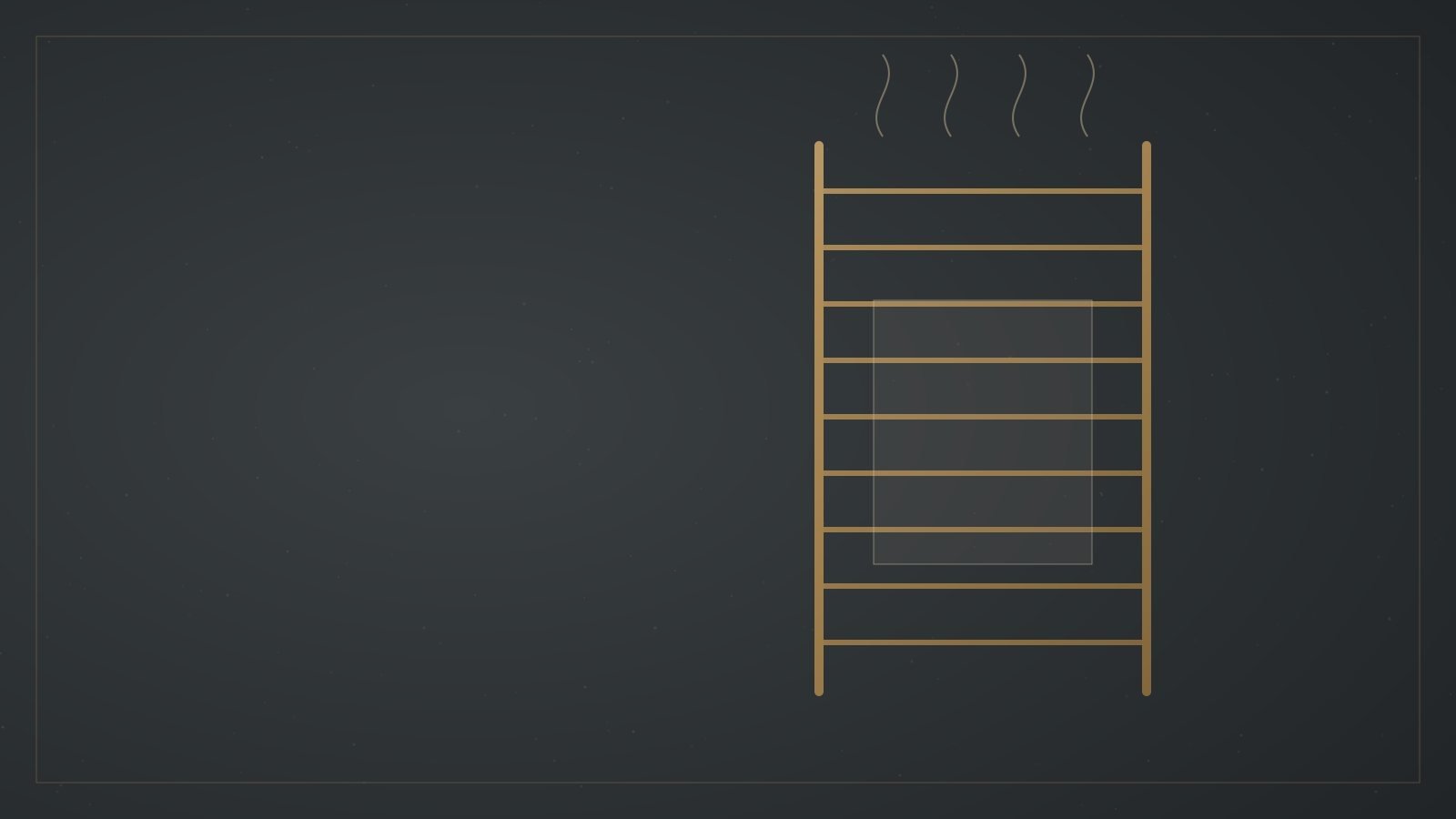
Measure the wall space and count how many towels you need to hang. A rail roughly as wide as a folded bath towel works well. Taller ladder-style rails hold more towels and give off more warmth.
Match the finish to your taps and fittings. Brushed finishes hide water marks and fingerprints better than polished ones.
Running costs
Electric towel rails typically draw between about 60 and 150 watts. As an example, a 100 watt rail running four hours a day uses 0.4 kilowatt-hours daily. Multiply by your electricity tariff for the cost. A plug-in or wired timer means it runs only when needed, such as an hour before and after your usual shower times.
Safety and installation
Bathrooms combine water and electricity, so installation matters.
- Use a qualified electrician for hard-wired models, following local regulations.
- Check the ingress protection rating. Choose a model rated for bathroom use and for the zone where it will be installed.
- Keep it away from the shower spray and bath where possible.
- Fit a timer or thermostat, both for cost and for safety.
- Choose a reputable brand with clear safety certification for your country.
The bottom line
A heated towel rail is one of the most affordable everyday luxuries in a home. Choose the right type for your house, install it safely, and you will wonder how you lived without it.
Questions readers ask
Do heated towel rails use a lot of electricity?
Usually not. Many electric towel rails draw roughly 60 to 150 watts. Running a 100 watt rail for four hours uses 0.4 kilowatt-hours, so the daily cost is modest. A timer or thermostat keeps it from running all day. Check the wattage on the model you choose and your local tariff.
Can a heated towel rail heat a bathroom?
Most towel rails are designed to warm towels, not rooms. Larger models give off some ambient heat, but in cold climates you may still need another heat source. In warm, humid climates, the main benefit is drying towels quickly rather than heating the space.
Can I install a heated towel rail myself?
Wall mounting is straightforward, but wiring an electric towel rail in a bathroom should be done by a qualified electrician, following local regulations. Bathrooms have zones that determine which electrical equipment can be installed where, and a fused connection is usually required.